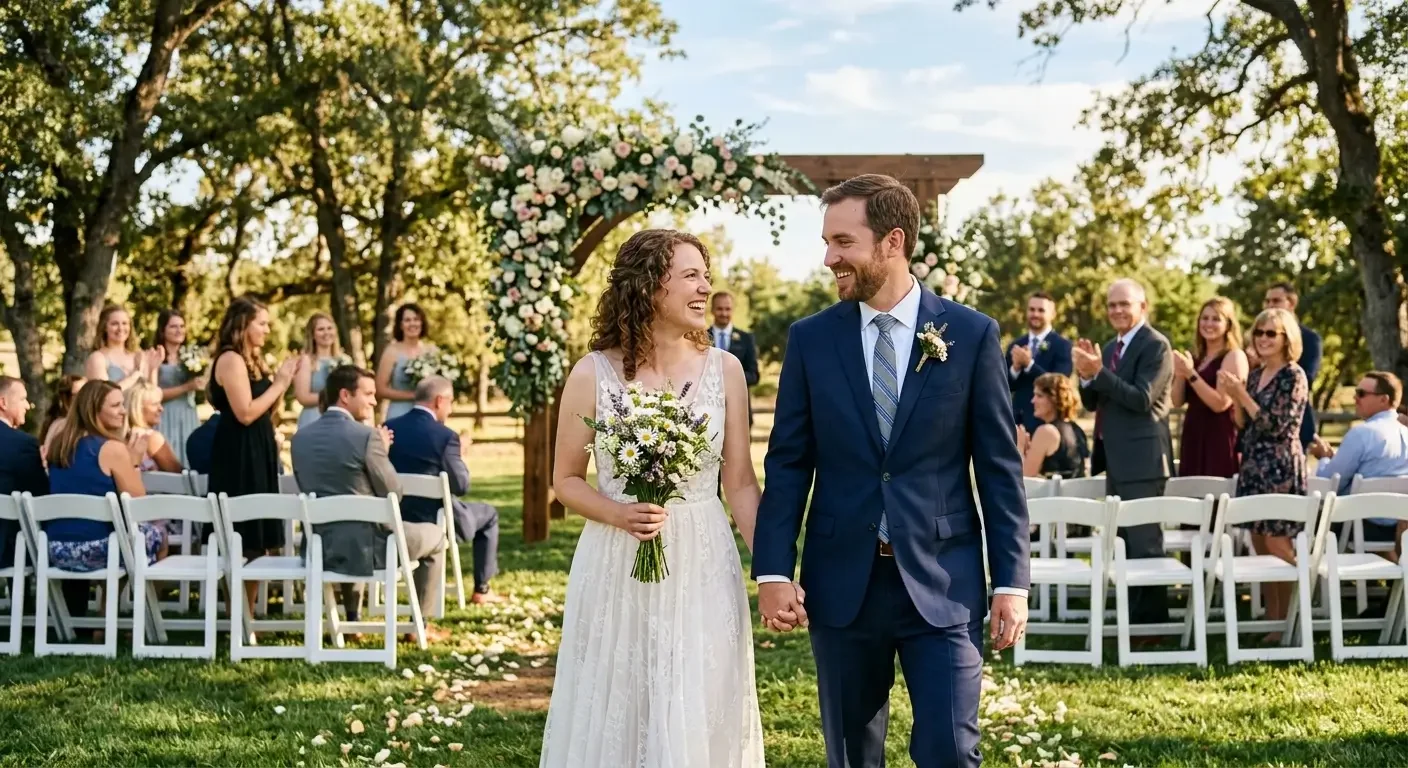
Marriages may be made in heaven, but it's the wedding day itself that creates the memories couples carry for a lifetime. And in the United States, those memories aren't a small investment. According to Grand View Research, the U.S. wedding services market was valued at $64.93 billion in 2024 and is projected to grow at a 6.8% CAGR through 2030. Outdoor weddings are driving much of that growth, as couples chase breathtaking backdrops, golden-hour photos, and the kind of Instagram-worthy moments only nature can provide.
But here's the catch: the same nature that makes outdoor weddings magical can also make them stressful. A sudden downpour, a 95-degree heat wave, or a windstorm that flattens a tent can turn a dream day into a logistical scramble. The good news? Nearly every outdoor wedding disaster is preventable — if you know what to plan for.
This guide breaks down the most common outdoor wedding planning mistakes and exactly how to avoid them, so you can focus on saying "I do" instead of troubleshooting on the fly.
1. Ignoring Weather Contingencies
Mother Nature doesn't RSVP, but too many couples plan their outdoor wedding as if she will. Coastal areas face hurricane season, the Midwest deals with sudden thunderstorms and tornadoes, and much of the South contends with extreme summer heat. Brides.com noted that 2024 was projected to be one of the hottest seasons on record, with experts urging couples in the continental U.S. to build a serious heat-management plan into their wedding day.
Here's how to weather-proof an outdoor wedding:
Track multiple forecasts early. Start watching Weather.com and NOAA's hyper-local data two to three weeks out, then daily as the date approaches.
Invest in a real tent — not a backyard pop-up. Rent sturdy tents with roll-up sides for airflow during heat and protection during rain. Skip the budget pole-and-tarp options that collapse in moderate wind.
Build guest comfort kits. Stash clear umbrellas, ponchos, fans, and bottled water near the entrance.
Plan for heat specifically. Add misting fans, shaded lounges, and sunscreen stations during summer months.
Carry wedding insurance. If your date falls in hurricane or tornado season, this is non-negotiable. Expect to pay $150–$550 for solid coverage.
2. Skipping a Real Backup Plan
A single storm can torpedo the entire celebration if there's no Plan B. A Boston Herald feature on outdoor weddings stressed the importance of securing a fully prepared backup venue — not a vague idea, but a contracted, ready-to-go space. That might mean a covered pavilion, a nearby barn, or a tent that can be deployed at short notice.
The smartest couples don't just have alternatives; they set clear triggers and rehearse the pivot:
Define a trigger threshold. Move indoors if rain chances exceed 30%, or if forecast winds top 25 mph.
Assign a weather lead. This person monitors forecasts on the wedding day and makes the final call — because the bride and groom will be busy with hair, makeup, and family photos. Decor has the same constraint. Our cedar arch and balloon installations are built to go outside, while large flower walls stay indoors — see what works where in our wedding decor rentals.
Practice the transition. Your vendor team should be able to relocate ceremony décor in 30 minutes or less using dollies and a clear floor plan.
Budget for dual deposits. Set aside 10–15% of your venue budget to secure a backup space.
Insist on weather clauses. Every outdoor vendor contract should include refund or reschedule language for severe weather.
3. Choosing Delicate Décor and Tableware
This is where so many outdoor weddings fall apart — literally. Strong winds shred paper garlands, glass shatters on patios and gravel, and silk linens fly off tables mid-toast. Outdoor weddings demand décor and tableware engineered for the elements, not styled solely for a Pinterest board.
Smart swaps that don't sacrifice style:
Glassware that won't break the party. Consider outdoor wedding wine glasses from brands like Govino, which blend a polished, photo-worthy look with the durability to survive patios, gravel paths, and poolside receptions. Their shatter-resistant design keeps guests safe and the celebration flowing — no matter what surface they're set on.
Florals built to last. Replace fragile silk arrangements with weighted succulent urns, potted greenery, or anchored greenery walls that hold up against gusts.
Sturdier table surfaces. Wood or wrought-iron tables beat lightweight folding tables every time. Clip linens with hidden clamps so they don't end up in the bushes.
Switch china for melamine. It's nearly unbreakable, lightweight, and now comes in elegant patterns that easily pass for traditional dinnerware.
Skip open flames. Battery-operated LED candles eliminate fire hazards and won't blow out mid-ceremony.
Anchor your arches. Use sandbags or stakes to keep ceremony structures upright through unexpected gusts.

For couples in Minnesota, Western Wisconsin, or Southwest Florida, durable rental décor — like balloon installations, greenery walls, and weather-resistant signage — makes it easy to combine high style with outdoor practicality.
4. Poor Seating Management
Cramped chairs, no shade, and missing place cards can sour the mood on what should be the happiest day of your life. The Knot has clear seating etiquette for weddings of 50 or more guests, and following it makes the entire day run dramatically smoother.
Build a seating plan that actually works:
Reserve a head table for the newlyweds and immediate wedding party.
Group family tables thoughtfully — divorced parents, in-laws, and blended families need diplomatic placement.
Space your rows. Allow generous aisle width for the bride's gown, the photographer's movement, and easy ADA access.
Upgrade comfort. Rent cushioned chiavari chairs and provide pillows or shawls for elderly guests in changing temperatures.
Shade the tables. Market umbrellas or shaded structures protect against both sun and brief rain showers.
Add place cards. Even at a casual outdoor reception, cards eliminate the awkward "where do I sit?" shuffle.
Plan for overflow. Always rent 15–20% more chairs than your final RSVP count.
5. Underestimating Lighting Needs
Outdoor weddings that start in daylight almost always end after sunset — and natural light disappears faster than most couples expect. Without proper lighting, the reception goes dark, the photographer struggles, and the dance floor empties.
Layer your lighting. Combine string lights, lanterns, uplights, and overhead chandeliers under tents.
Use LED everything. Battery-powered LEDs are safer outdoors and won't trip breakers when paired with the band's sound system.
Light your pathways. Pin spots and ground lights prevent twisted ankles on grass or uneven walkways.
Test power loads in advance. Generators must handle catering equipment, sound systems, and the lighting plan all at the same time.
6. Forgetting About Sound and Acoustics
Open-air ceremonies absorb sound very differently than indoor venues. Without proper amplification, the back rows won't hear your vows — and that's a moment you can't get back.
Hire a sound technician, not just a DJ. Outdoor sound engineering is its own skill.
Use lapel mics for the officiant and couple. Handheld mics on windy days produce static and pickup issues.
Run a real sound check on the day. Wind direction, humidity, and crowd size all affect acoustics.
Mind the neighbors. Many outdoor venues enforce strict decibel limits after a certain hour.
7. Skimping on Guest Comfort
The fastest way to memorable wedding reviews? Make your guests feel taken care of. The slowest way? Leave them sweating, swatting bugs, or searching for water.
Comfort touches that elevate any outdoor wedding:
Bug spray stations (especially for evening weddings near water or wooded venues)
Sunscreen baskets at the ceremony entrance
Water bars with infused options like cucumber-mint or citrus
Restroom comfort baskets stocked with bandages, deodorant, and stain wipes
A "cool down" tent or shaded lounge for elderly guests or anyone needing a break
8. Ignoring Permits and Venue Restrictions
This trips up couples planning backyard, park, or beach weddings constantly. Many outdoor venues require permits, set strict noise curfews, or limit alcohol service. Skipping this step can mean shut-down ceremonies, hefty fines, or vendors being turned away at the gate.
Before locking in the date:
Confirm noise ordinances, especially for evening receptions.
Verify alcohol service rules — some parks require licensed bartenders only.
Check tent size restrictions and required fire-marshal approvals.
Get insurance certificates if the venue requires them (most do).
9. Hiring Vendors Without Outdoor Experience
A photographer who only shoots in studios will struggle with harsh sun and shifting shadows. A caterer used to indoor kitchens won't know how to keep food safe in 90-degree heat. Always ask vendors directly about their outdoor wedding portfolios and weather contingency planning before signing a contract.
Smart questions to ask every vendor:
How many outdoor weddings have you worked in the last two years?
What's your contingency plan if it rains the day of?
Can you share photos from your most challenging outdoor event?
Do you carry liability insurance for outdoor venues?
10. Forgetting to Plan for Cleanup and Teardown
Outdoor weddings produce more debris, damage, and logistical complications than indoor ones — and the cleanup almost always takes longer than couples expect. Build it into the timeline from day one.
Designate a cleanup crew or hire one through your venue or planner.
Plan teardown for the next morning if the venue allows — it's safer and less rushed.
Protect lawn surfaces from heels, table legs, and food spills.
Confirm trash and recycling logistics with the venue before the event.
Frequently Asked Questions About Outdoor Weddings
What are the best months for an outdoor wedding?
In most of the U.S., April through June and September through October offer the best outdoor wedding weather. Avoid July and August in the South due to extreme heat, and skip hurricane season in coastal regions like Florida and the Gulf Coast. Check your specific region's climate before locking in a date — off-peak months like May or early October often deliver beautiful weather and lower vendor pricing.
How do you choose vendors for an outdoor wedding?
Start on platforms like The Knot, WeddingWire, or Zola to build a shortlist. Read reviews carefully, check portfolios for outdoor-specific work, and verify licenses and insurance. Meet in person when possible, call references, and get 3–5 quotes per category. Always sample what you can — taste tests for catering, mock-ups for décor, and styled-shoot examples for photographers.
What should a bride wear for an outdoor wedding?
For outdoor weddings, choose breezy fabrics like chiffon, linen, or organza over heavy satin. Wedges or flats work better than stilettos on grass or uneven surfaces. Loose waves or secured updos handle wind well, and waterproof makeup helps you stay photo-ready through any weather. Comfort and durability matter as much as style when you're outside for hours.
How early should you book an outdoor wedding venue?
For peak months (May–October), book the venue 12–18 months in advance. Backup venues should be secured 6–9 months out, and your full vendor team should be confirmed at least 6 months before the date.
Do you need wedding insurance for an outdoor wedding?
Yes — especially for outdoor events. Wedding insurance covers cancellations due to weather, vendor no-shows, illness, and venue issues. Expect to pay $150–$550 for comprehensive coverage, which is minor compared to the overall wedding budget.
How do you keep guests comfortable at an outdoor summer wedding?
Provide shade, water, and airflow. Rent tents with roll-up sides, set up misting fans, stock sunscreen and bug spray stations, and offer cold drinks throughout the ceremony — not just at the reception. Schedule the ceremony for late afternoon or early evening to avoid peak heat.
Final Thoughts: Make the Magic, Skip the Mishaps
Outdoor weddings combine the drama of nature with the joy of one of life's biggest milestones. They're worth the extra planning — but only if you plan for the realities of being outdoors. Weather, wind, lighting, sound, and guest comfort all matter as much as the centerpieces and the playlist.
Avoid the mistakes above, and you'll trade last-minute panic for the kind of celebration guests talk about for years. The right preparation lets you focus on what actually matters: the vows, the people, and the moment.
Planning an outdoor wedding in Minnesota, Western Wisconsin, or Southwest Florida? Boxwood Rose designs statement-making rental décor — including balloon installations, greenery walls, and custom neon signage — built to thrive outdoors and make your day unforgettable.