Fans rarely remember the biggest logo in the room. They remember the entrance that made them slow down. The backdrop everyone kept photographing. The color palette that felt unmistakably tied to the brand. The little moment that made them smile, post, talk, or stay longer than they planned.
That is the real art of event design for brand recall. It turns a brand from something people notice into something they experience.
A strong event does more than look good. It gives people a feeling, a place to participate, and a visual memory they carry with them after the music fades and the lights come down. Whether it's a product launch, corporate activation, fan event, luxury celebration, or wedding, memorable event design gives the brand a physical presence people can step into.
Great Event Design Starts Before the First Decoration Goes Up
Define the Feeling Before You Design the Space
Strong brand activation event design begins long before anyone chooses balloons, florals, lighting, or signage. It starts with one sharper question:
What should people feel when they walk in?
A product launch might need to feel sleek, polished, and future-facing. A fan event might need energy, movement, and playful interaction. A wedding should feel personal, warm, and emotionally rich. A luxury brand event may call for restraint, texture, and quiet confidence.
Once the feeling is clear, every design choice has a job. Color sets the emotional temperature. Lighting controls attention. Layout shapes movement. Decor tells guests where to look, pause, gather, and take photos. Without that emotional direction, even expensive design can feel scattered.
Fans do not remember a room full of random details. They remember a mood.
Translate Brand Identity Into the Room
Good event branding ideas for businesses go far beyond placing a logo on a wall. A logo tells guests who hosted the event. The environment tells them what the brand stands for.
A wellness brand might use soft lighting, natural textures, calm music, and open space. A tech brand might lean into clean lines, bold contrast, screens, and futuristic staging. A fashion brand may use dramatic framing, statement florals, styled lounges, and photo-ready angles.
The strongest experiential event design makes the brand feel present without making guests feel like they are being advertised to. Every element should speak the same visual language: color, lighting, texture, furniture, signage, music, guest flow, photo areas, and decor scale.
Brand recall grows stronger when the space feels like the brand, not merely sponsored by the brand.
Give Fans a Role, Not Just a View
Participation Makes the Experience Stick
People remember what they do far more clearly than what they simply watch.
A guest who only walks past a display may forget it by the next day. A guest who tests a product, takes a photo, adds a message to a wall, enters through a dramatic installation, or joins a reveal moment becomes part of the story. That involvement creates memory.
Strong fan engagement event ideas often include branded photo zones, live personalization stations, product testing areas, interactive walls, VIP lounges, social prompts, and hands-on displays. These features give fans something to do, not just something to look at.
Picture a beauty brand launch. Guests do not simply see the product on a table. They try it under flattering lighting, pose near a branded mirror wall, receive a personalized sample, and leave with a photo tied to the experience. The brand becomes part of their evening, not just another name in their feed.
Build Small Moments of Discovery
Immersive brand experience events work best when the space unfolds like a story. The entrance gives the first impression. The main area creates interaction. The photo moment makes the event shareable. The closing detail leaves guests with something to remember.
A simple event journey might look like this:
Entrance moment: the first emotional hit
Interaction moment: the guest becomes involved
Photo moment: the experience becomes shareable
Closing moment: the brand message lands
Great experiential event design does not shout one message from every wall. It lets fans discover the brand one moment at a time. Discovery makes the event feel personal. Instead of being told what to think, guests move through a designed experience and form their own connections.
Create One Memory Anchor People Can Instantly Recall
Every Event Needs a Visual Signature
Every unforgettable event has one design feature people can instantly describe later. Call it the memory anchor.
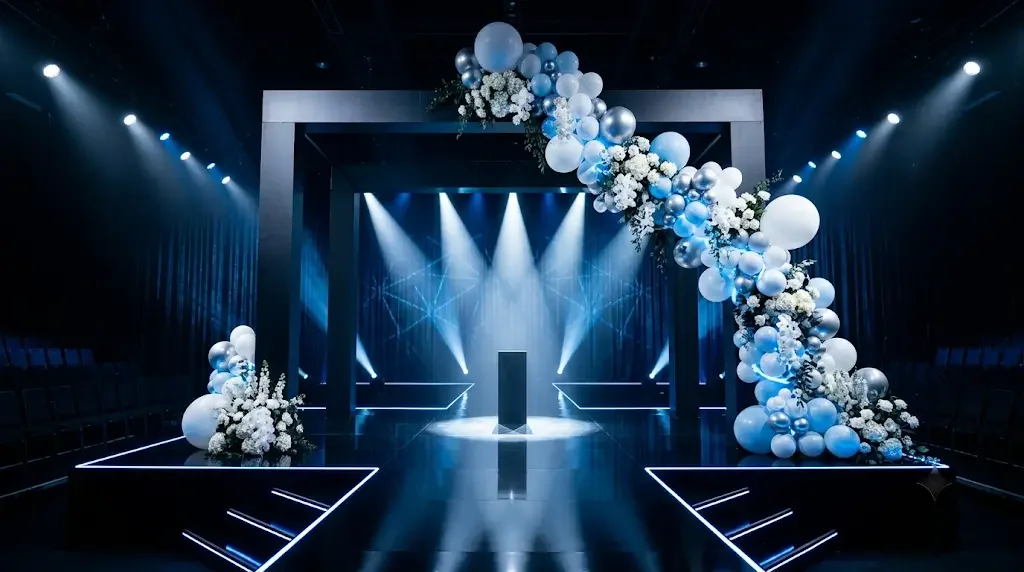
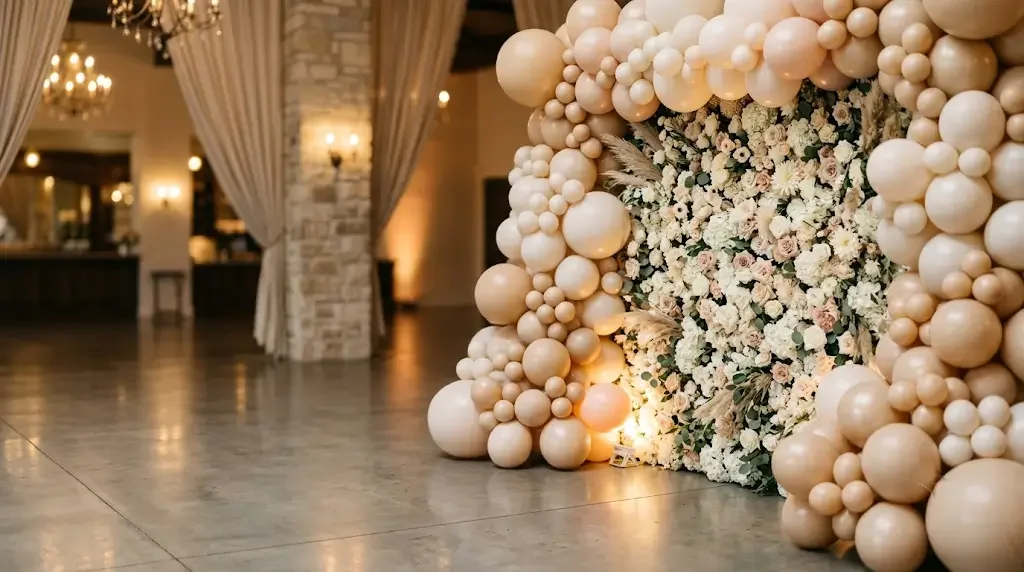
It might be a dramatic entrance arch, a branded balloon installation, a stage-ready product reveal backdrop, a floral-and-balloon photo wall, a sculptural lounge, a color-blocked seating area, or a textured step-and-repeat.
For a beauty brand, the memory anchor could be a blush-toned mirror wall where every guest takes a photo. For a sports fan event, it might be an oversized entrance installation in team colors. For a product launch, it could be a reveal stage framed with lighting, branded decor, and a clean photo angle. For a wedding, it may be the ceremony arch that appears in every meaningful image.
Branded photo backdrop ideas and custom event decor for brand activations matter because they give guests a specific image to connect with the event. A strong memory anchor answers one question:
What will people remember when they talk about the event tomorrow?
Make It Simple Enough to Remember
Busy design does not always mean better design. A memory anchor should be clear, photogenic, on-brand, easy to describe, and emotionally connected to the event's purpose. Guests should be able to explain it in one sentence.
"The product reveal had that glowing blue tunnel."
"The wedding had the soft champagne balloon arch around the ceremony space."
"The fan event had the huge team-colored photo wall."
Simple, specific, visual.
Too many colors, props, signs, and competing photo areas can weaken the memory. Guests leave with visual noise rather than a single strong impression. Memorable event design feels edited. It knows what to emphasize and what to leave out.
Use Photo-Ready Decor Without Making the Event Feel Like a Set
Social Sharing Should Feel Natural
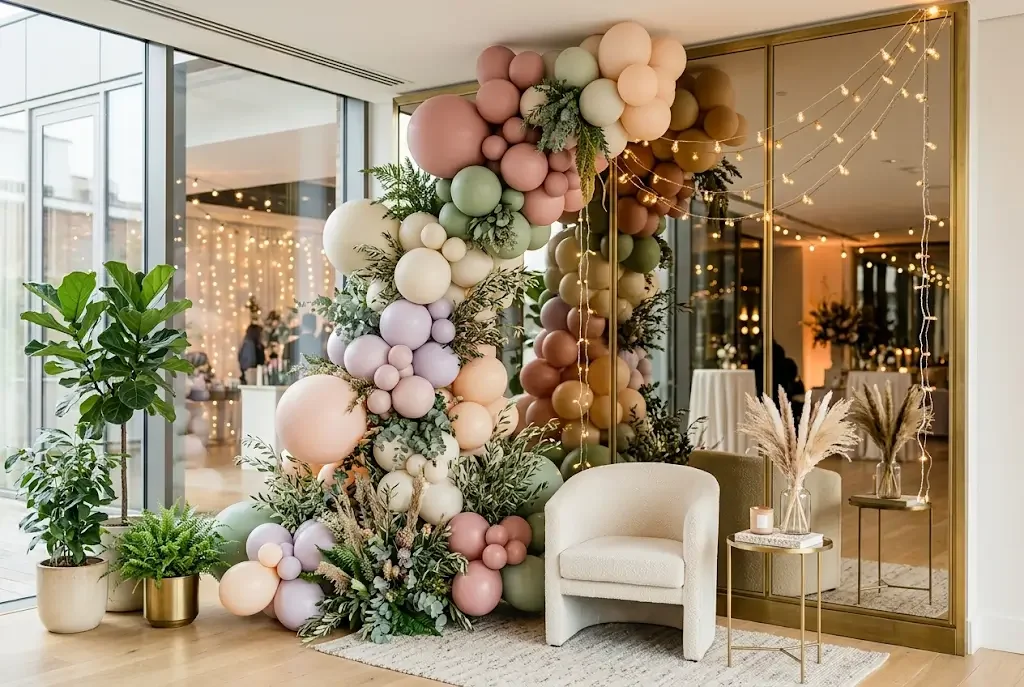
Social media-friendly event decor works best when it feels organic. Guests do not want to feel pushed into an advertisement. They want to find a spot that makes them look good, feel included, and capture the event's energy.
That requires more planning than most people think. Lighting has to flatter. Backdrops need enough height and width. Branding should sit naturally inside the frame. Color contrast should work on camera. The photo area should feel easy to approach, not awkwardly staged in a forgotten corner.
No one needs to beg guests to post when the space gives them a reason. The best photo moments feel like part of the event, not a marketing trap. They invite people in quietly, then do the work themselves.
Let Decor Carry the Brand Story
Decor can create brand awareness without overwhelming the guest experience. The best visual elements support the story instead of stealing attention from it. Details like sculptural arches, floral walls, branded installations, and balloon decor for weddings can become more than decoration: they become the backdrop of the memory itself.
Wedding balloon decorations offer a useful lesson for brand events. At weddings, decor often becomes emotionally tied to the biggest moments: the ceremony frame, the reception entrance, the sweetheart table, the dance floor, the photo wall. Guests remember those details because they are attached to feeling.
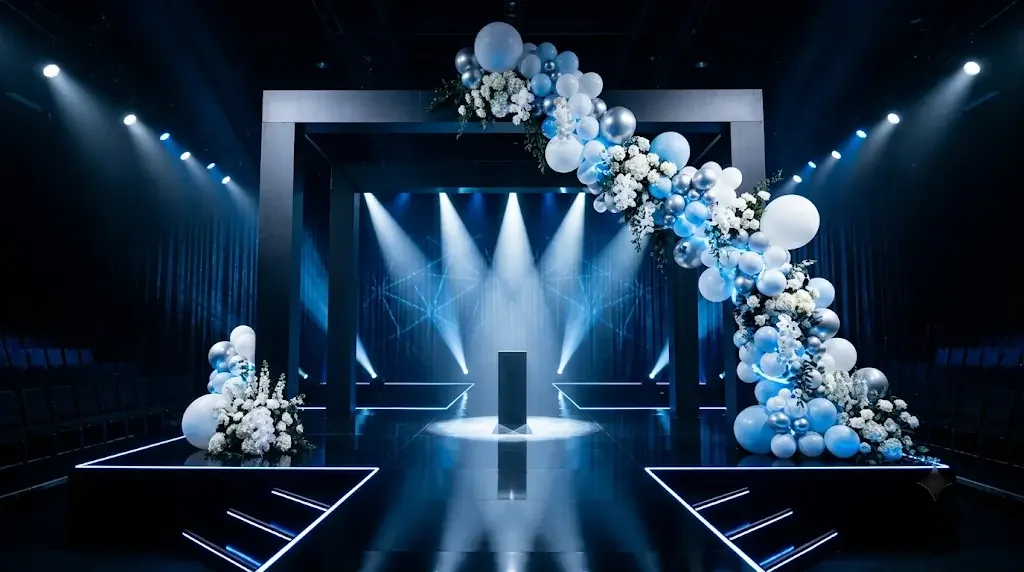
Brand events can use the same principle. Branded balloon decor for events adds shape, color, scale, and softness without making a space feel heavy or overbuilt. It can frame a product reveal, define a photo area, guide guests toward an entrance, or turn a blank venue into something with personality.
The right decor does not just fill space. It gives the event a visual identity.
Match the Design to the Audience, Not Just the Trend
Different Fans Remember Different Things
Strong event design starts with the people in the room.
A Gen Z audience may respond to playful, interactive, highly shareable design. Luxury guests may remember restraint, detail, lighting, and texture. Corporate attendees may value flow, clarity, comfort, and polished branding. Wedding guests remember personal, emotional focal points. Product launch attendees remember reveal moments, premium staging, and a clear product story.
Trendy design can grab attention for a moment. Audience-aware design creates a stronger connection.
Experiential marketing event ideas and product launch event design ideas should always begin with real guest behavior. What will make these people stop? What will make them participate? What will feel natural for them to photograph? What will they talk about afterward?
The best corporate event branding ideas are not copied from another brand's event. They are built around the audience, the message, and the moment.
Los Angeles Events Need Visual Confidence
In Los Angeles, ordinary decor disappears fast. The city is built around image, entertainment, lifestyle, and experience. Guests have seen polished launches, influencer events, luxury celebrations, and camera-ready brand activations. A basic setup rarely leaves a mark.
Los Angeles event design services often need to balance brand polish, social visibility, celebrity-style presentation, and practical guest flow. Los Angeles brand activation events need a clear point of view from the entrance to the final photo.
The same applies to Los Angeles event balloon decor. The design cannot feel like filler. It has to feel intentional, elevated, and camera-aware from every important angle. A visually competitive city rewards events with confidence. Not loudness. Not clutter. Confidence.
The Final Test: Will People Remember It Tomorrow?
A Simple Framework for Memorable Event Design
Anyone wondering how event design helps brand recognition can use a simple five-part framework:
Start with one emotion. Decide what guests should feel before choosing colors, props, or decor.
Build one clear visual signature. Create a memory anchor guests can describe instantly.
Add one interactive moment. Give fans a role in the experience.
Create one photo-ready scene. Make sharing feel natural instead of forced.
End with one takeaway fans can repeat. Give people a simple story to remember after they leave.
That framework keeps the event focused. It also helps answer the bigger question of how to create memorable brand experiences without overwhelming the space.
The best events do not ask guests to remember everything. They give them one strong feeling, one strong image, and one clear story.
Avoid the Biggest Event Design Mistake
The biggest mistake is confusing more decor with better design. More signage does not automatically create stronger branding. More colors do not always create more energy. More props do not guarantee more engagement.
Great event design is selective. Every detail has a job. The entrance sets the tone. The layout guides movement. The decor supports the story. The photo moment invites sharing. The final impression gives fans something to carry home.
That level of intention separates decoration from strategy.
The Brand People Remember Is the Brand They Experience
Fans remember brands when the event gives them something to feel, do, photograph, and talk about.
Event design matters because it turns brand identity into something physical. It gives people a place to step into the story rather than simply hear the message. It makes the brand easier to understand because guests can experience it firsthand.
The most memorable brands are not always the loudest ones in the room. They are the ones that design moments with purpose.
A venue can be filled in a day. A strong memory lasts much longer. That is the real art of event design: creating a moment that keeps working long after the event is over.
Frequently Asked Questions
How does event design help brand recognition?
Event design helps brand recognition by turning a brand's identity into a physical experience guests can feel, touch, and photograph. When color, lighting, layout, and decor all express the same brand story, the space itself becomes the message. Guests connect the feeling of the room to the brand, which makes recall far stronger than a logo alone.
What is a memory anchor in event design?
A memory anchor is the one visual signature guests can instantly describe after the event, such as a branded balloon installation, a floral photo wall, or a dramatic entrance arch. The best memory anchor is simple, photogenic, on-brand, and emotionally tied to the event's purpose, so guests can sum it up in a single sentence.
How do you create memorable brand experiences?
Start with one clear emotion, build one strong visual signature, add one interactive moment, design one photo-ready scene, and end with one takeaway fans can repeat. Focusing on a single feeling, image, and story is more memorable than filling a space with competing details.
Why does balloon decor work so well for brand events and weddings?
Branded balloon decor for events adds shape, color, scale, and softness without making a venue feel heavy or overbuilt. It can frame a product reveal, define a photo zone, guide guests toward an entrance, or transform a blank space, which is exactly why wedding balloon decorations so often become the backdrop of the day's most memorable photos.