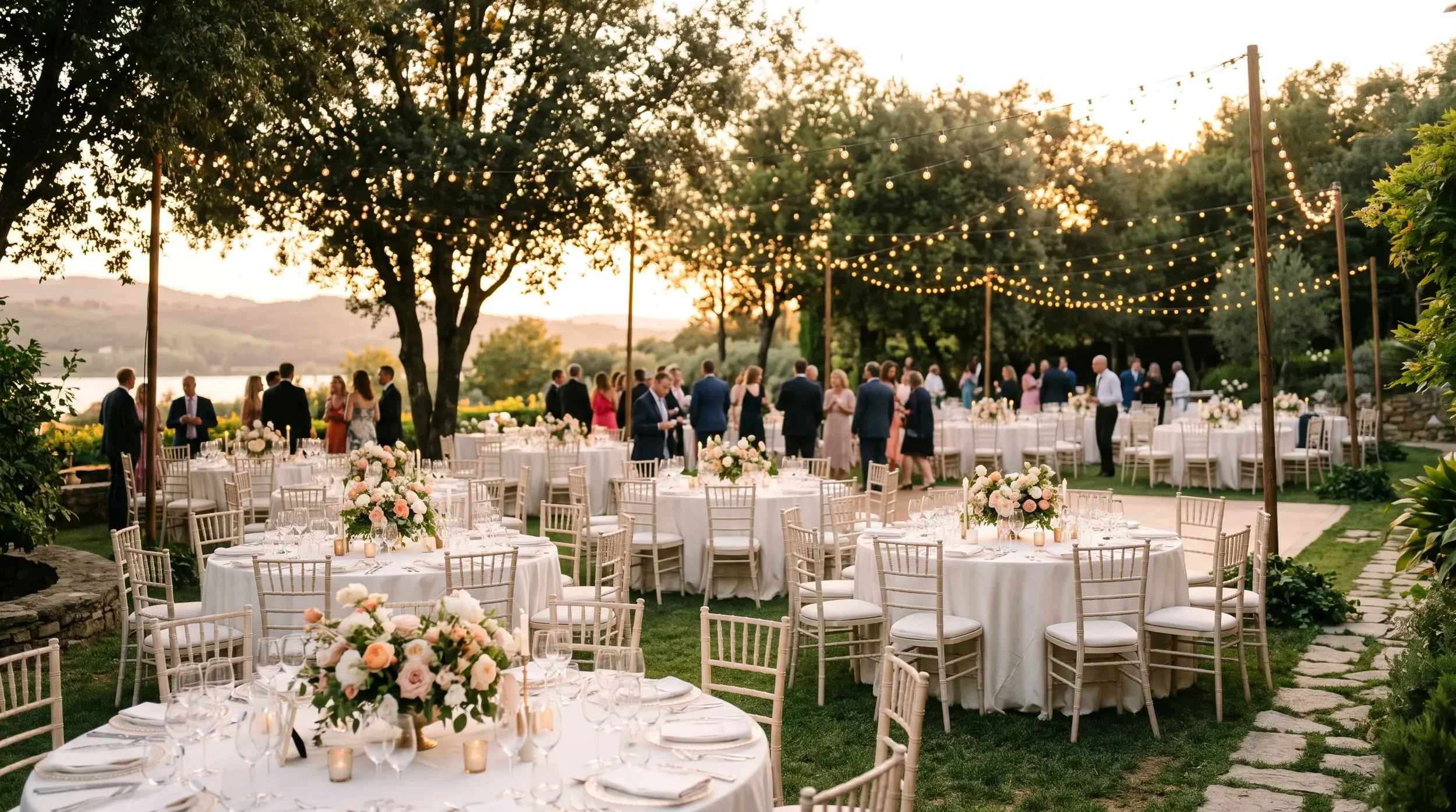
Planning a wedding is exciting, but it can also get surprisingly complicated. Between choosing a venue, hiring a caterer, booking a photographer, arranging flowers, and coordinating entertainment, most couples quickly discover that their special day involves managing dozens of moving parts.
That's one reason all-inclusive wedding venues have become such an attractive option — they let couples have a beautiful, memorable celebration without coordinating every detail themselves. But is an all-inclusive wedding venue really worth it?
The answer depends on your priorities, your budget, and the kind of wedding you picture. Understanding the benefits — and knowing what questions to ask — can help you decide whether an all-inclusive package is the right choice.
1. Simplify the Wedding Planning Process
One of the biggest advantages of an all-inclusive wedding venue is convenience.
With a traditional venue rental, couples may be responsible for finding and coordinating nearly every wedding professional — researching vendors, comparing proposals, negotiating contracts, and managing multiple schedules. An all-inclusive venue brings many of those services together under one coordinated arrangement.
Depending on the venue, packages may include catering, photography, floral arrangements, entertainment, event coordination, and other wedding essentials. Instead of juggling numerous independent vendors, couples work with a smaller number of contacts who understand how the whole celebration comes together.
That streamlined approach is especially appealing to couples balancing wedding planning with demanding careers, family responsibilities, or other commitments.

2. Make Wedding Budgeting More Predictable
Wedding expenses have a way of adding up. A venue rental might look affordable at first, but additional costs for tables, chairs, linens, catering, decorations, staffing, and equipment can push the final price much higher.
All-inclusive packages can make budgeting easier by combining several major expenses into one proposal. That doesn't automatically make an all-inclusive wedding less expensive — but it can make the total cost easier to understand and compare.
Review exactly what each package includes. A few important questions:
Are catering, beverages, and service staff included?
Does the package include photography and entertainment?
Are flowers, decorations, tables, and linens provided?
Are taxes, service charges, and gratuities included?
What additional fees apply for extra guests or upgrades?
A detailed package proposal helps couples avoid unpleasant financial surprises as the wedding date approaches.
3. Benefit From Vendors Who Already Work Together
A successful wedding takes more than hiring talented individual vendors — those vendors also need to work well together.
The photographer needs to know when the important moments will happen. The caterer has to coordinate dinner service with the reception schedule. The DJ or entertainment provider needs to understand the timing of introductions, speeches, and special dances.
When vendors regularly work at the same venue, they tend to develop a real understanding of the property, its logistics, and the overall flow of an event. That familiarity makes coordination smoother and reduces the chance of misunderstandings.
An experienced venue team also knows the practical details couples might not anticipate — where vendors should unload equipment, how long room transitions take, and how to handle an unexpected schedule change. Independent vendors can absolutely work together well, but established working relationships are an advantage worth considering.
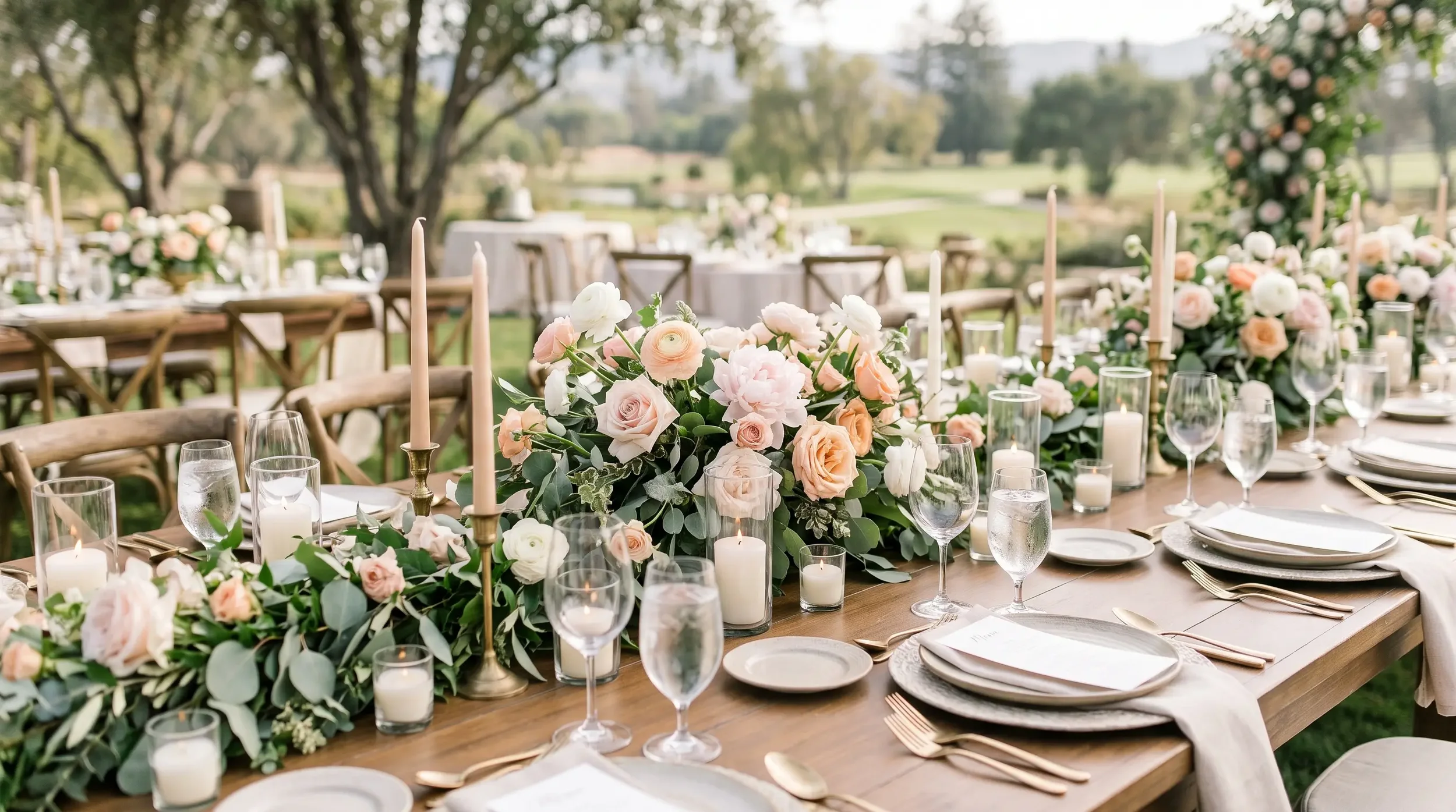
4. Reduce Wedding-Day Stress
Your wedding day should be about celebrating with the people who matter most — not answering questions about table arrangements or coordinating vendor arrivals.
Couples who organize every aspect of their wedding independently sometimes find themselves handling last-minute logistics on the day itself. A well-managed all-inclusive venue reduces those responsibilities by providing an experienced team that already knows the schedule and requirements.
Rather than leaning on family or friends to oversee important details, couples can depend on venue staff or a designated coordinator. That makes the day more enjoyable for the wedding party, too — parents, siblings, and close friends get to actually celebrate instead of directing vendors or troubleshooting problems.
One caveat: confirm whether a package includes full wedding planning, day-of coordination, or only venue management. Those services are not interchangeable.
5. Create a More Cohesive Wedding Experience
Every wedding has its own personality. Some couples picture a formal evening celebration with elegant florals and sophisticated decor; others want a relaxed outdoor ceremony surrounded by natural beauty.
An all-inclusive venue can help bring the different elements of a wedding together into a cohesive experience. When the venue team knows the available spaces, decor options, and vendor capabilities, it's often easier to coordinate the ceremony, cocktail hour, and reception.
Floral arrangements can complement the ceremony setting, reception decorations can reflect the couple's style, and the schedule can work around the property's unique features. That said, customization varies a lot from venue to venue — some packages offer extensive flexibility, while others provide a more limited selection of designs, menus, and vendors. Couples with very specific creative preferences should ask about customization before committing.
6. Make Destination Wedding Planning Easier
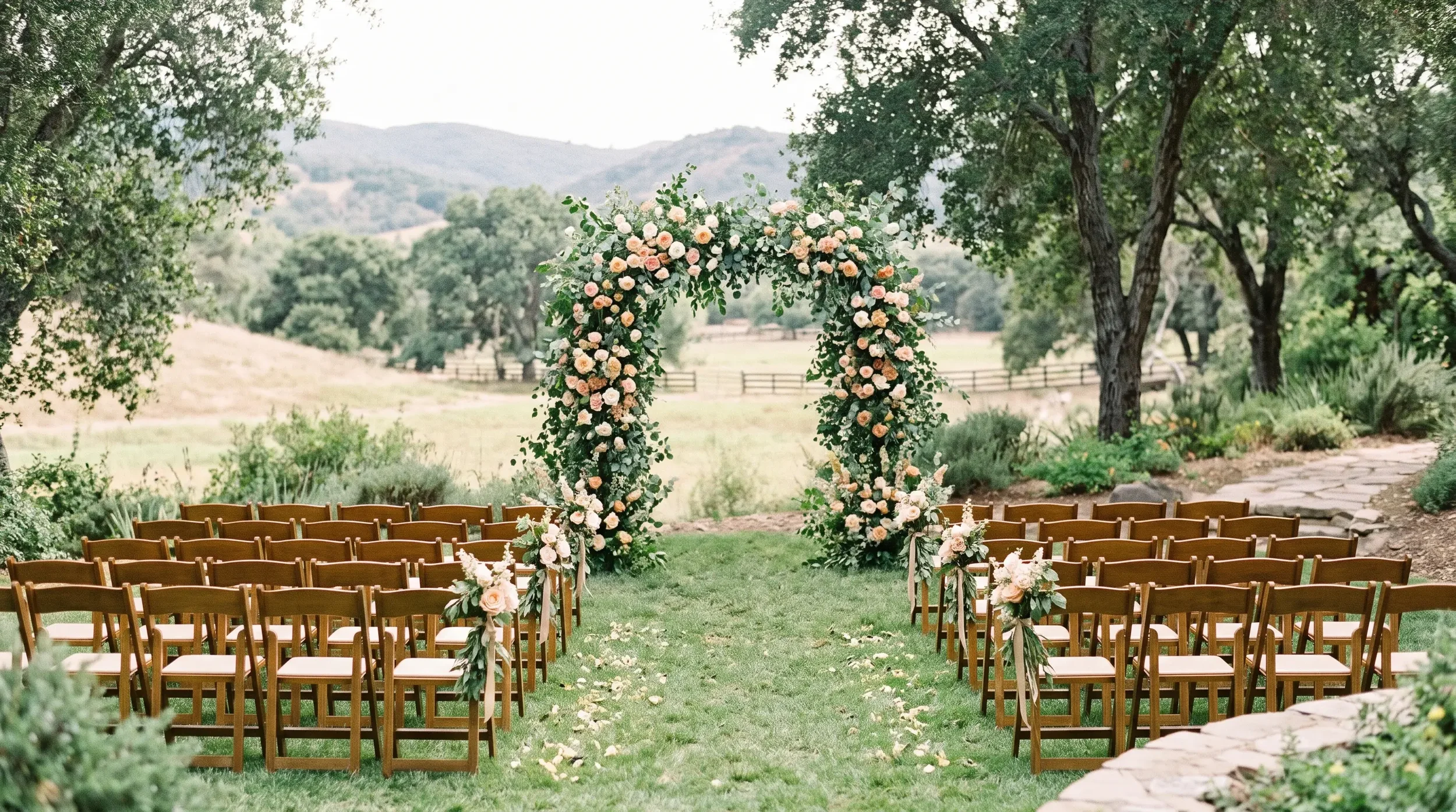
Destination weddings offer the chance to celebrate somewhere beautiful while creating a memorable experience for family and friends. But organizing a wedding from hundreds of miles away adds challenges — couples may have limited opportunities to visit venues, meet vendors, or oversee preparations in person.
An all-inclusive wedding venue can be especially helpful here. For example, Hidden River Events, an outdoor wedding venue near Asheville, North Carolina, offers wedding packages that bring together multiple planning and event services. That kind of coordinated approach can be particularly attractive to couples planning a mountain wedding from outside the area. You can visit their all-inclusive wedding pricing page to see what an all-inclusive wedding may cost, along with the items that can be removed or added to a package. Each venue sets its own pricing and policies, so research is always your best bet — clarify exactly what you want for your wedding day and have an in-depth conversation with every venue you consider.
A local team can also simplify communication, scheduling, and vendor coordination. Destination couples should think about accommodations, transportation, accessibility, and activities for out-of-town guests, too. Some venues offer on-site lodging or can recommend nearby accommodations, which makes the whole experience more convenient.
7. Spend More Time Enjoying Your Engagement
Wedding planning should be part of the excitement of getting married. Yet it's easy for the process to become overwhelming when every weekend fills up with vendor appointments, contract reviews, and decisions about countless small details.
An all-inclusive venue can cut down the time couples spend coordinating logistics. That doesn't mean giving up control over the decisions that matter — couples can still choose the details they care about most, from the overall atmosphere to the food, flowers, music, and photography, depending on the package. The difference is that they may not have to manage every separate vendor relationship or operational detail themselves.
For couples who'd rather spend their engagement enjoying time together than running a complex event-planning project, that can be one of the most valuable benefits of all.
| Factor | All-inclusive venue | Build your own team |
|---|---|---|
| Planning effort | Lower — fewer contacts to manage | Higher — you coordinate every vendor |
| Budgeting | More predictable — bundled into one proposal | Variable — costs added piece by piece |
| Vendor coordination | Venue team often works together already | You manage schedules and logistics |
| Customization | Varies — can be limited by the package | Maximum — choose every vendor yourself |
| Best for | Busy couples; destination & mountain weddings | Couples with specific vendor preferences |
Are There Any Disadvantages to an All-Inclusive Wedding Venue?
Despite their advantages, all-inclusive wedding venues aren't the perfect fit for everyone. Couples who want complete freedom to hire specific vendors may find some packages restrictive, and others may prefer to handle decorations, flowers, or entertainment themselves.
It's also worth remembering that the term all-inclusive has no universal definition — it can mean very different things from one venue to the next. One venue might include catering, photography, flowers, and entertainment, while another includes only the ceremony and reception spaces, basic furnishings, and coordination.
Before signing a contract, ask about vendor restrictions, available upgrades, cancellation policies, payment schedules, and additional charges. The best approach is to compare the total cost and the services provided, rather than relying on the advertised package price alone.
A Note from Our Studio
Whichever route you choose, the decor is where a wedding really starts to feel like yours. We style florals, greenery walls, backdrops, and custom neon for couples at all kinds of venues — all-inclusive and build-your-own alike — and in our experience the couples who love their photos most are usually the ones who layered a few personal touches on top of the venue's base package. Even a simple custom neon sign with your new last name can turn a standard reception corner into the spot everyone wants their picture taken.
Making the Right Choice for Your Wedding — and for You
Choosing a wedding venue is about more than finding a beautiful location. It's about finding a setting and a planning approach that match your priorities, budget, and expectations.
For couples who value convenience, coordinated services, predictable budgeting, and professional support, an all-inclusive wedding venue can offer real advantages. Others may prefer the flexibility of assembling their own team of wedding professionals. Neither approach is inherently better — the right choice is the one that lets you create the celebration you envision while enjoying the experience along the way.
Ultimately, the greatest benefit of a well-planned wedding isn't simply that everything runs smoothly. It's having the freedom to be fully present for one of life's most memorable occasions.
Frequently Asked Questions
What does an all-inclusive wedding venue usually include?
It varies widely. Some packages bundle catering, photography, florals, entertainment, and coordination; others include only the ceremony and reception spaces, basic furnishings, and day-of coordination. Always get a written list of exactly what's included before comparing prices.
Is an all-inclusive wedding venue cheaper than booking vendors separately?
Not necessarily. Bundling makes the total easier to understand and compare, but it isn't automatically less expensive. Compare the full cost and the services provided against building your own vendor team to see which is the better value for your wedding.
What should you ask before booking an all-inclusive venue?
Confirm what the package covers (planning vs. day-of coordination vs. venue management only), any vendor restrictions, customization options, upgrade and extra-guest fees, taxes and gratuities, the payment schedule, and the cancellation policy.