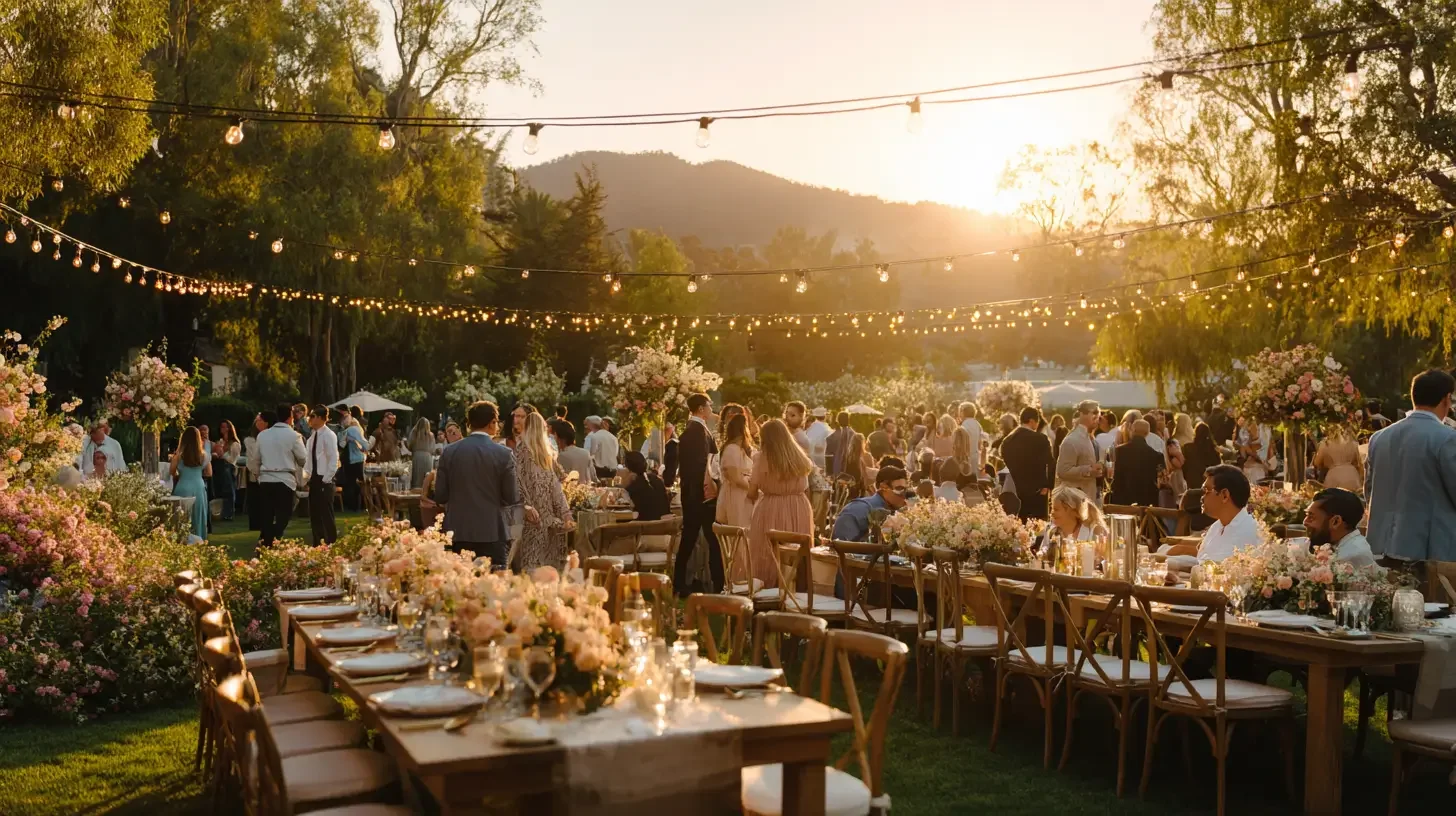
The modern wedding rarely fits inside a single afternoon. More couples are turning the big day into a multi-day celebration — a welcome party on Friday, the ceremony and reception on Saturday, a farewell brunch on Sunday, with cultural rituals and rehearsal dinners woven throughout. Each gathering brings family and friends together in a different way, and each one deserves a look and feeling all its own.
Preferences are shifting alongside the format. MMCG Invest reports that micro-weddings of 50 guests or fewer made up 18% of weddings in 2024, and that 40% of Gen Z couples folded cultural traditions into their celebrations, compared with 32% of Millennials. Weddings are getting smaller, more personal, and more layered with meaning.
That combination — more events, more personalization — is exactly why thoughtful design matters. Done well, a multi-day wedding feels like one cohesive story told across several chapters, with every event fresh, intentional, and worth remembering.
Build a Cohesive Theme Without Repeating the Same Design
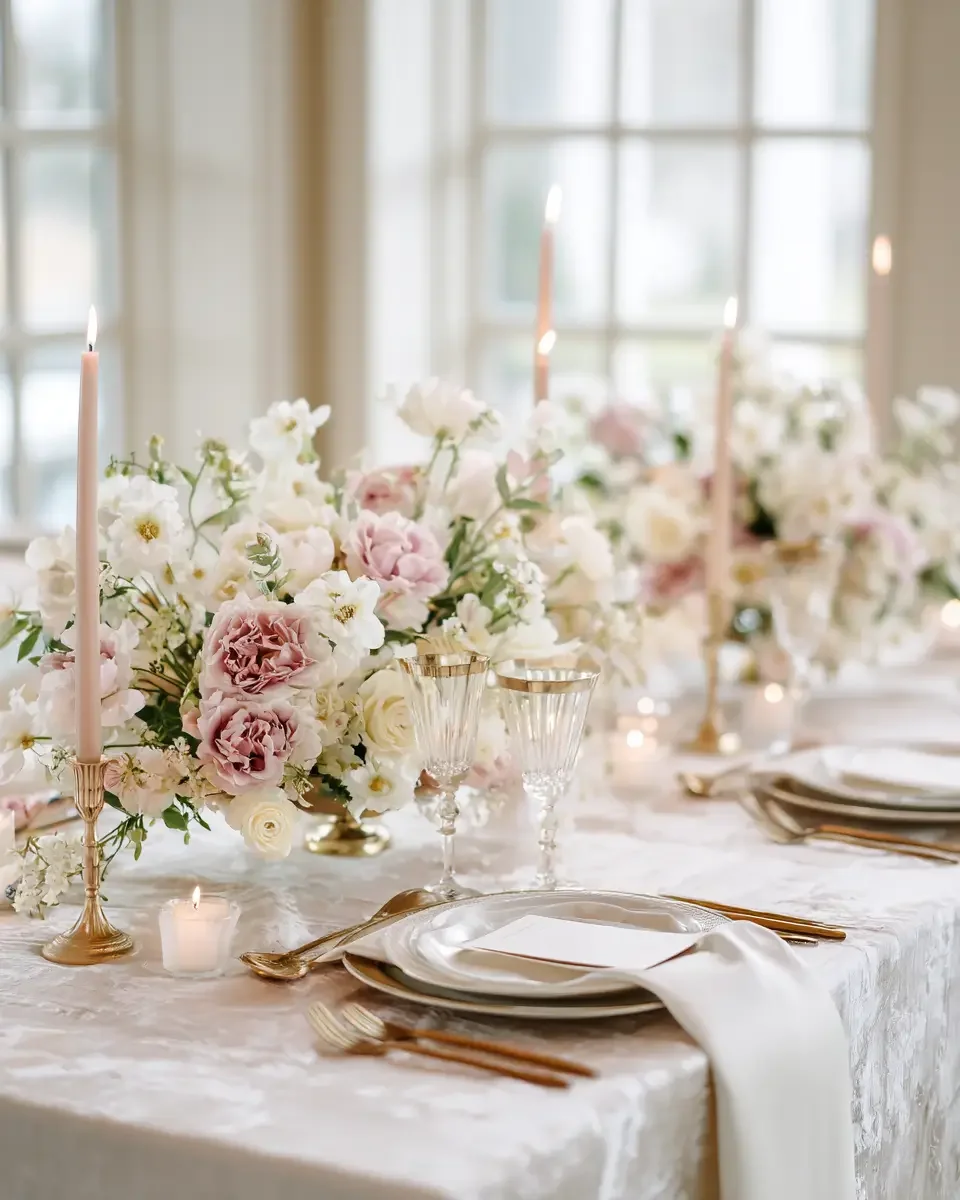
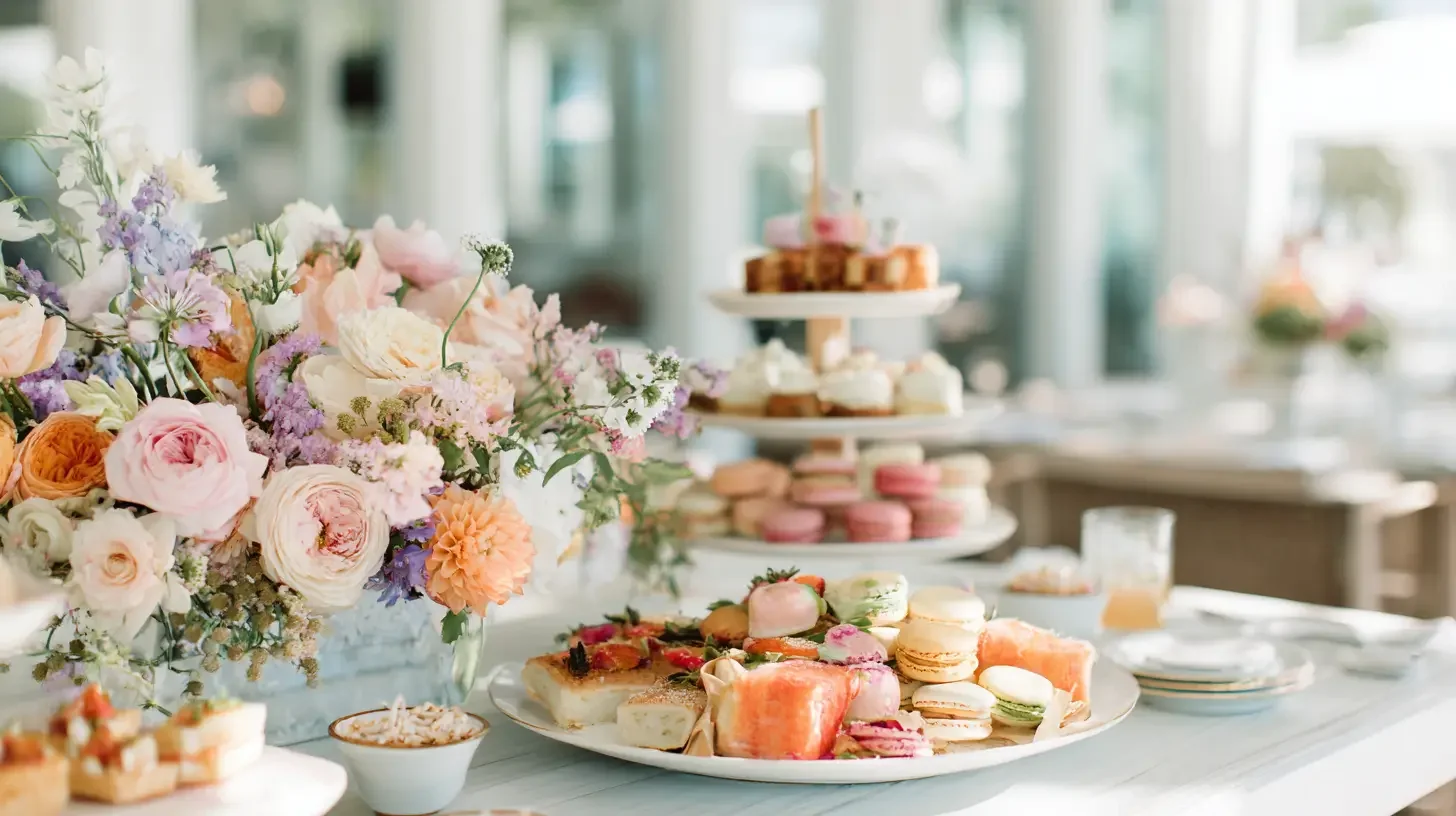
A strong wedding theme creates harmony across the weekend without making every event look like a copy of the last. The trick is to lock a few signature elements — a color palette, a floral style, a stationery motif — and then let everything else shift. Change the décor, rework the lighting, rethink the layout, and each occasion takes on its own personality while still reading as part of the same celebration.
That consistency takes real effort to pull off. The Knot reports that couples spend an average of six hours every week finalizing wedding details, and that couples handle 80% of the planning themselves, while parents manage just 12%. When you're that hands-on, a repeatable framework helps: decide what stays the same across every event and what you'll deliberately change. Small, intentional shifts keep the weekend feeling fresh without ever losing the thread.
Design Every Event With Lasting Memories in Mind
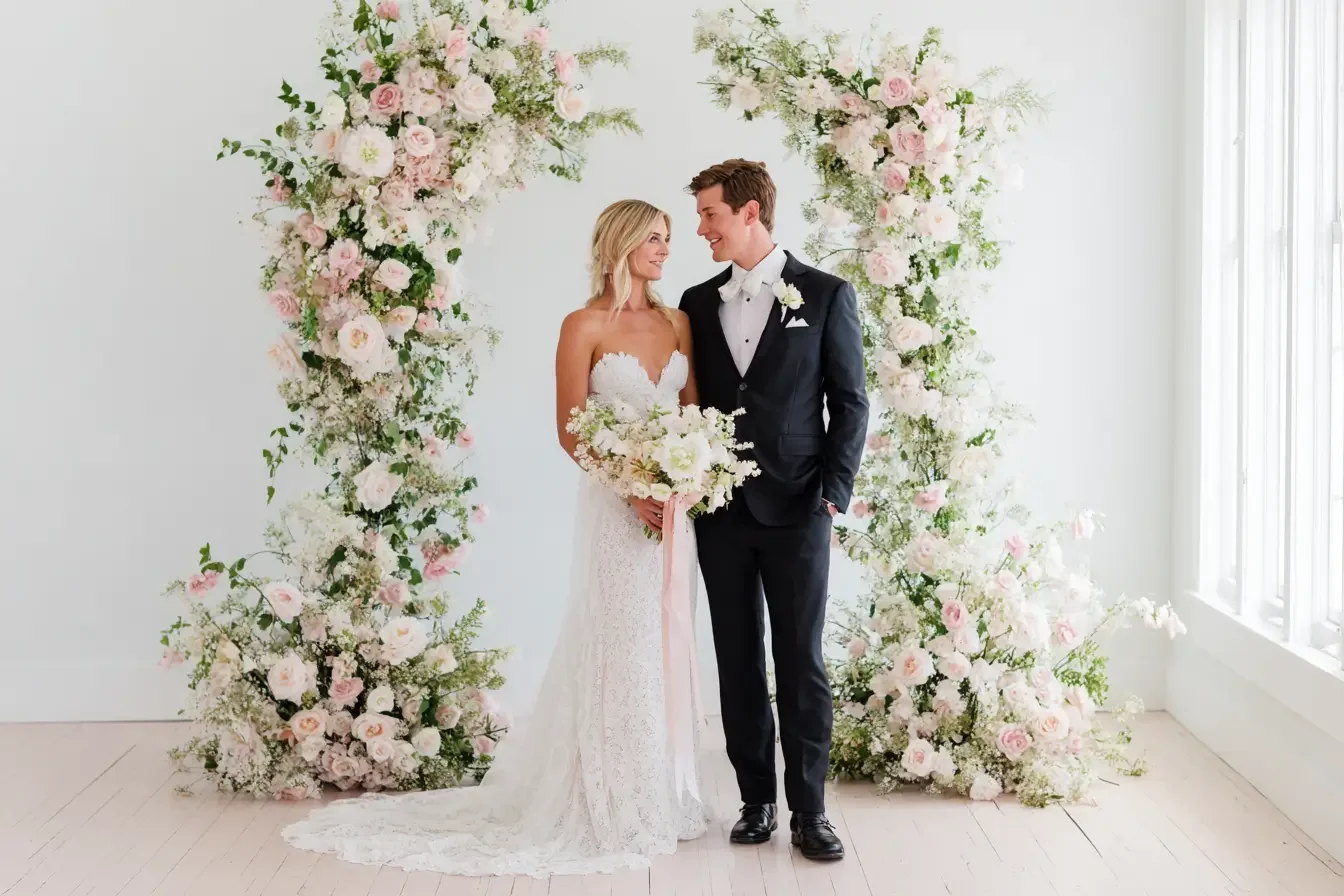
Every gathering should leave guests with something they'll still be talking about long after the weekend ends. Give each one an intentional focal point — a ceremony backdrop, a cocktail-hour moment, a reception centerpiece — that reflects the couple's story rather than a generic template.
Because these moments only happen once, plan event photography alongside the design, not as an afterthought once the décor is set. Loop your photographer in early on lighting, venue layouts, backdrops, and the run-of-show so both candid and posed shots are set up to succeed.
Step and Repeat Las Vegas emphasizes that great event photography captures far more than posed portraits — it's the candid laughter, the décor details, the guest interactions, and the key highlights that together tell the story of the whole weekend. Design your spaces to photograph beautifully from multiple angles and to invite natural interaction. Well-placed installations and personalized details give photographers a cohesive visual story to follow, so every celebration stays memorable both in the room and in the album.
Match the Atmosphere to Each Celebration
Part of what makes a multi-day wedding special is contrast. Each event can offer a genuinely different experience while still contributing to one cohesive story. Keep the welcome party relaxed and social, dial up the elegance for the ceremony and reception, and close with an easy, light-hearted farewell brunch. That rhythm keeps guests engaged from the first hello to the last goodbye without ever feeling repetitive.
The demand for this kind of experience is clear in the data. Mordor Intelligence reports that 71% of weddings in 2025 span two to three days, a sign of how much couples now prioritize experience over a single event. The same research notes that Gen Z couples are leaning into technology, with 54% of 2026 couples using AI planning tools to personalize their celebrations. Those tools make it easier to compare design ideas, map out timelines, and coordinate décor so each event stays distinct yet connected.
Refresh the Guest Experience Through Thoughtful Details
The details are where a weekend earns its "unforgettable." Vary the welcome gifts, signature drinks, menus, entertainment, and interactive activities so each event reflects its own purpose — lawn games and a signature cocktail at the welcome party, a plated dinner and live music at the reception. Personal touches like these make guests feel genuinely considered and build a stronger emotional connection to the couple as the weekend unfolds.
Entertainment is one of the fastest-moving trends here. Beth Hancock, media and events sales consultant at Event Industry News, points to interactive entertainment as one of the fastest-growing wedding trends — close-up magicians and live caricaturists that spark conversation and pull guests into the moment. They work especially well during cocktail hours, receptions, and the in-between transitions where energy can otherwise dip.
Use Lighting to Transform Familiar Spaces
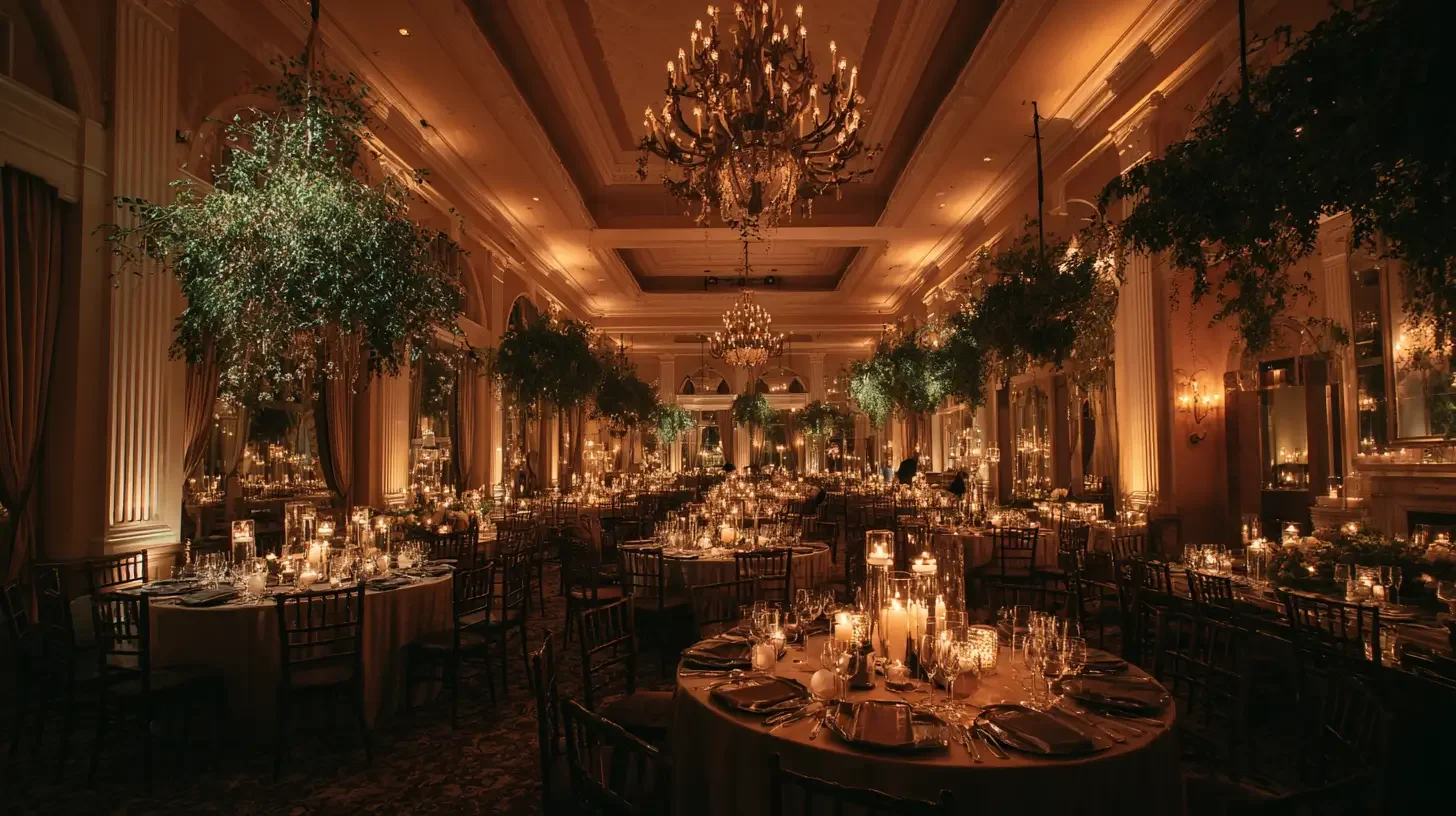
Lighting is the single most efficient way to make one venue feel like several. Soft candlelight turns a room intimate for a rehearsal dinner; warm, colorful uplighting and dynamic effects energize a reception or after-party; targeted accent lighting draws the eye to florals, architecture, and personalized décor — all without moving a single piece of furniture.
Vogue notes that lighting shapes a guest's first impression and sets the mood the moment they walk in, which is why it has become a core part of wedding décor rather than a purely functional detail. Lean on it, and you can transform the same four walls into a brand-new setting for every event on the schedule.
Plan Design Logistics Across the Entire Wedding Weekend
Everything above depends on what happens behind the scenes. Build a detailed schedule for décor installation, floral deliveries, lighting changes, furniture placement, and vendor coordination before each event begins — and build in buffer time between them, since a multi-day wedding often means resetting the same space on a tight turnaround.
Reuse smart, versatile pieces creatively from one event to the next while refreshing layouts and accents so nothing feels recycled. Keep communication tight among planners, vendors, and venue staff so the design vision holds steady across the weekend. Strong logistics do more than prevent chaos — they protect your investment and keep every celebration, from the welcome party to the farewell brunch, running seamlessly.
Frequently Asked Questions
How far in advance should you start designing a multi-day wedding?
Start at least nine to twelve months out. Larger guest lists and destination weekends often need even more runway. Early planning gives your vendors, designers, and planners the time to coordinate every detail without the last-minute scramble.
How do you prioritize your décor budget across multiple wedding events?
Put the majority of your budget into the ceremony and reception, where guests spend the most time. Reuse key décor pieces across events wherever you can, then spend what's left on the personalized details that make each gathering feel fresh.
What décor elements are worth investing in for a multi-day wedding?
Invest in versatile pieces that adapt across events. Quality lighting, floral arrangements, custom signage, and elegant furniture deliver lasting value — they hold the overall aesthetic together while still letting each celebration feel distinct.
Key Statistics Shaping Modern Multi-Day Weddings
| Trend | What the Data Shows |
|---|---|
| Micro-wedding popularity | 18% of weddings in 2024 were micro-weddings with 50 or fewer guests, reflecting continued demand for smaller, more personalized celebrations. |
| Cultural wedding traditions | 40% of Gen Z couples incorporated cultural traditions into their weddings, compared with 32% of Millennials — a growing emphasis on personalized celebrations. |
| Time spent planning | Couples spend an average of six hours each week finalizing wedding details during the planning process. |
| Who plans the wedding? | Couples complete roughly 80% of wedding planning tasks, while parents contribute about 12%. |
| Rise of multi-day weddings | 71% of weddings in 2025 span two to three days, reflecting increasing demand for experience-focused celebrations. |
| Technology in wedding planning | 54% of 2026 couples use AI planning tools to organize timelines, compare ideas, and personalize different wedding events. |
Create a Wedding Weekend Guests Will Always Remember
A well-designed multi-day wedding is more than a string of pretty events. Each one should carry its own atmosphere and purpose, and together they should feel like a single, seamless experience that reflects who the couple is. With careful planning, creative design, and tight coordination, every moment lands as intentional — and the whole weekend becomes something guests carry with them long after the last farewell.