
So you're engaged — congratulations! One of the very first questions couples ask is when to start planning your wedding. The short answer: most couples start planning their wedding 12 to 18 months before the big day. That window gives you first pick of the venues and vendors who book up earliest, room to spread decisions out, and far less stress as the date approaches.
Still, 12 to 18 months isn't a hard rule. The right lead time depends on your guest count, the season, how popular your dream venue is, and whether you're planning from out of town. Below you'll find a complete, month-by-month wedding planning timeline, what to book first, how to handle a shorter engagement, and answers to the questions couples ask most.
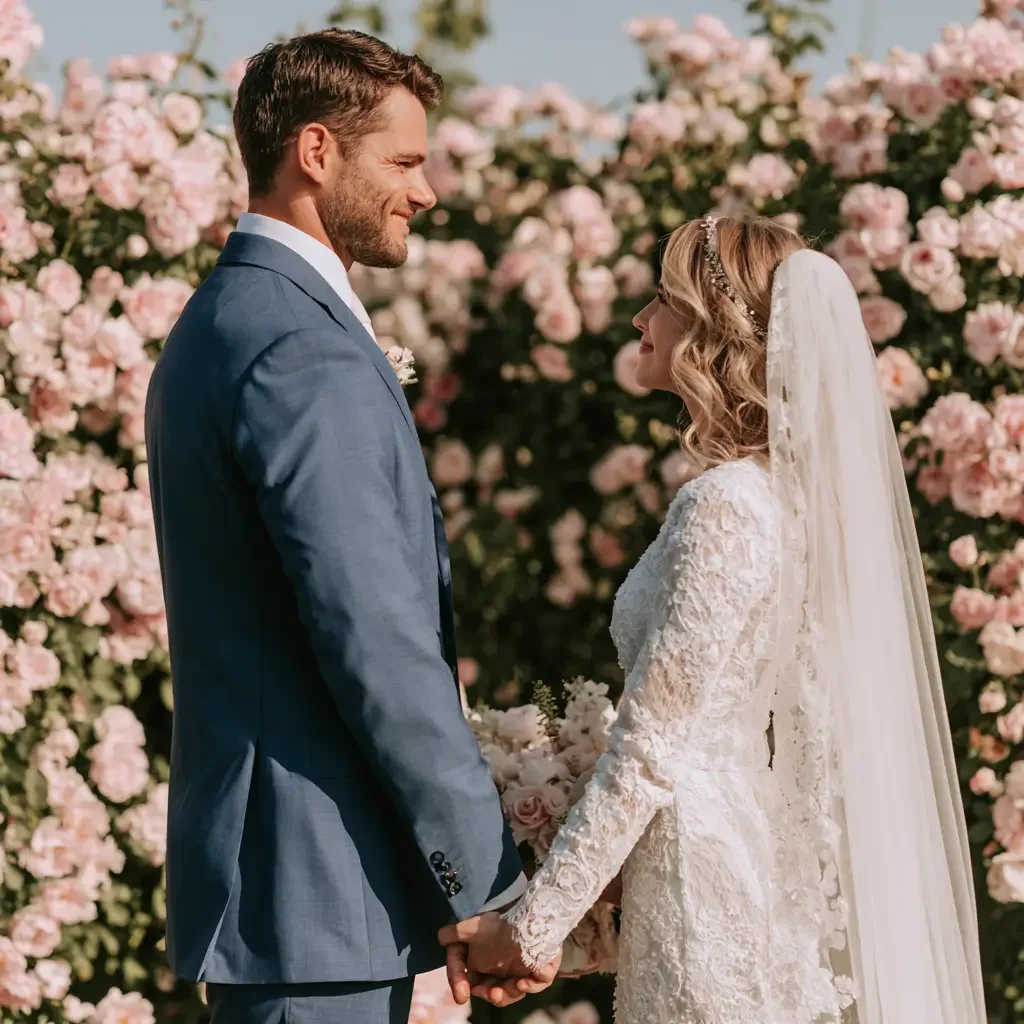
How Far in Advance Should You Plan a Wedding?
For most couples, 12 to 18 months is the sweet spot — long enough to secure the vendors that matter, short enough that you're not planning forever. A few factors push you toward the longer or shorter end of that range:
Guest count. A 200-guest celebration takes far more coordination — catering, seating, invitations, logistics — than an intimate wedding of 40. The bigger the guest list, the earlier you'll want to start.
Season and day of the week. Late spring, summer, and early fall are peak wedding season, and Saturdays in those months are the first dates to disappear. If you're set on a peak date, book 14 to 18 months out.
Venue popularity. In-demand venues can be reserved a year or more ahead. Often the venue's availability ends up choosing your date for you.
Destination or out-of-town weddings. Give yourself extra runway so guests can plan travel and time off — and send save-the-dates as early as possible.
How hands-on you want to be. A longer timeline leaves room to DIY details, compare vendors, and make thoughtful decisions instead of rushed ones.
If your timeline is tighter than 12 months, don't worry — plenty of couples plan beautiful weddings in six months or less. Jump to Planning a Wedding on a Short Timeline below.
Why Starting Early Pays Off
Booking early isn't just about checking boxes — it genuinely improves your wedding:
You get your first-choice vendors. The most sought-after venues, photographers, and caterers book out first. Start early and you choose them; start late and you choose from what's left.
You control the budget. More time means room to compare quotes, spread out deposits, and avoid the rush fees that come with last-minute bookings.
You reduce stress. Spreading tasks across many months keeps any single month from becoming overwhelming.
You make better decisions. With breathing room, you can sit with choices instead of forcing them under a deadline.
Wedding Planning Timeline (Month by Month)
Use this quick-reference checklist to see what to tackle and when. A detailed breakdown of each phase follows.
| Timeframe before the wedding | What to focus on |
|---|---|
| 12+ months | Set your budget, draft your guest list, book your venue and wedding planner, and define your overall vision. |
| 9–12 months | Book your photographer, videographer, caterer, and entertainment; start dress shopping; send save-the-dates. |
| 6–9 months | Book your florist and decor rentals; order invitations; plan the honeymoon; reserve hotel room blocks. |
| 3–6 months | Finalize the menu, order the cake, buy wedding bands, book hair and makeup, and mail invitations. |
| 1–3 months | Confirm the final guest count, build the seating chart and day-of timeline, confirm every vendor, and get your marriage license. |
| Final 2 weeks | Give vendors the final headcount, delegate day-of tasks, pack for the honeymoon, and breathe. |
12+ Months Before: Lay the Foundation
This is the big-picture phase. Set your overall budget first — nearly every other decision flows from it, so decide on a comfortable target and a hard ceiling. Draft a preliminary guest list (even a rough number shapes your venue and catering), then book the two things that anchor everything else: your venue and, if you're using one, your wedding planner. This is also the moment to define your vision — the style, the mood, the colors — so every choice afterward has something to line up against.
9–12 Months Before: Book the Big Vendors
With your date locked in, secure the vendors who fill their calendars first: photographer, videographer, caterer, and entertainment (band or DJ). Start dress shopping now, too — gowns often take months to order and alter. Send save-the-dates so guests can mark the calendar, especially for a destination or holiday-weekend wedding.
6–9 Months Before: Lock in the Details
Now the look of your day takes shape. Book your florist and your wedding decor rentals — statement pieces like flower walls, greenery backdrops, and arches get claimed fast for peak-season dates, so reserve them once your venue and date are set. Order your invitations, plan the honeymoon, and reserve hotel room blocks for out-of-town guests while rates are good.
3–6 Months Before: Finalize the Essentials
Tighten the details: finalize your menu and order the cake, buy your wedding bands, and schedule hair and makeup trials. Mail your invitations around the three-month mark so you have time to chase RSVPs. Confirm timelines with your vendors and start building your day-of schedule.
Your hair and makeup trial is also a good time to decide what you want to do with your lashes. If you’re planning a more understated bridal look, soft natural lashes can complement it without making your eye makeup feel too dramatic. Trying out your preferred style ahead of time also gives you a chance to see how everything looks together before the wedding day.
1–3 Months Before: Confirm Everything
This is the confirmation phase. Lock in your final guest count, build your seating chart, and finalize the day-of timeline. Reconfirm every vendor — arrival times, deliverables, and payment schedules. Get your marriage license (rules vary by state, so check the timing), write your vows, and do a final dress fitting.
The Final 2 Weeks: Hand Off and Relax
Give your caterer and venue the final headcount, delegate day-of tasks to your planner or wedding party, and pack for the honeymoon. Then — as much as you can — step back and let the people you hired do their jobs. The planning is done; now it's time to enjoy it.
What to Book First
If you only remember one thing about sequencing, it's this order:
Venue — it sets your date, your capacity, and much of your budget.
Wedding planner (if you're hiring one) — the earlier they're on board, the more they can guide.
Photographer and videographer — the best are booked a year or more ahead for popular dates.
Caterer — especially important if your venue doesn't provide food in-house.
Everything else — florals, decor, cake, entertainment, attire — slots in around these anchors.
Long Engagement vs. Short Engagement
There's no universally "right" engagement length; there's only what fits your life. A long engagement (18+ months) gives you maximum choice, the smallest monthly workload, and time to save — the trade-off is that a very long runway can make the process drag. A short engagement (under 9 months) keeps momentum high and gets you to the day faster, but it demands quick decisions and flexibility on dates and vendors. Neither is better; pick the pace that matches your priorities and your calendar.
Planning a Wedding on a Short Timeline (3–6 Months)
A short engagement is completely doable — couples plan beautiful weddings in three to six months all the time. The trick is ruthless prioritization:
Book availability first. Reserve the venue, then the photographer and caterer, immediately — availability is your tightest constraint.
Be flexible on the date. An off-peak month or a weekday opens up far more vendor options.
Keep the guest list tight. A smaller wedding simplifies catering, seating, and budget in one move.
Lean on a planner. A planner or day-of coordinator compresses weeks of decisions into days.
Choose packages. Vendors who bundle services mean fewer moving parts and faster choices.
Can you plan a wedding in three months? Yes — with focus, flexibility, and a willingness to prioritize availability over a specific wish list.
Tips to Make Wedding Planning Less Stressful
Set the budget before anything else. It's the frame every other decision fits inside.
Get a preliminary head count early. Most vendors price by guest, so even a rough number shapes your venue and catering. Sort guests into "must-invite" and "nice-to-invite" to make later cuts easier.
Pick your top priorities. Put your budget and energy into the two or three things you care about most — the photos, the food, the flowers — and simplify the rest.
Keep it all in one place. A single spreadsheet, doc, or binder for checklists, contacts, contracts, and inspiration will save you again and again.
Use the pros. A planner or coordinator handles vendor questions, tracks the budget, and runs the day so you can be present for it.
Frequently Asked Questions
How far in advance should you plan a wedding?
Most couples plan 12 to 18 months ahead. That gives you access to top venues and vendors before they book up. Larger guest lists and destination weddings benefit from even more lead time.
Is six months enough time to plan a wedding?
Yes. Six months is plenty if you book your venue and key vendors right away and stay flexible on the date. Choosing an off-peak or weekday date opens up more availability.
Can you plan a wedding in three months?
It's possible with focus. Keep the guest list small, choose a venue with in-house catering, prioritize vendor availability over specific preferences, and consider hiring a planner to move quickly.
What should you book first when planning a wedding?
Book your venue first — it sets your date and capacity. Then secure your planner, photographer, and caterer, since the best ones fill their calendars earliest.
How long does the average wedding take to plan?
The average engagement runs about 12 to 15 months, and most of that time goes into planning. Couples who start early tend to report a less stressful experience.
What's the first thing to do after getting engaged?
Before booking anything, set a rough budget and a preliminary guest count. Those two numbers drive nearly every decision that follows — from which venues fit to how much catering will cost.
Final Thoughts
There's no single right answer to when to start planning your wedding — but the earlier you lock in your venue and the vendors that matter most, the calmer the whole journey feels. Set your budget, map your timeline, and take it one milestone at a time. Start early, prioritize what matters, and lean on professionals where it counts, and you'll arrive at your wedding day excited rather than exhausted.
When you're ready to design the look of your celebration, Boxwood Rose creates wedding backdrops across Minnesota, Western Wisconsin, and Southwest Florida — flower walls, greenery installations, arches, and neon signs, delivered, installed, and styled for you. Tell us your date and we'll help bring your vision to life, or explore the full collection on our homepage.